There are some preparations that quietly find their way into the kitchen and then somehow become indispensable.
Béchamel is one of them.
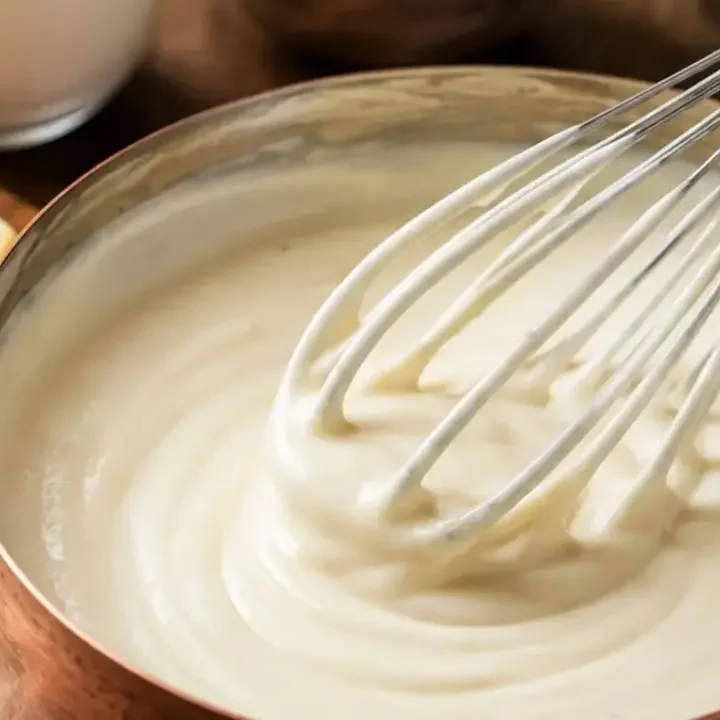
White, creamy and silky smooth, it may look like a simple and innocent sauce. But add it to a tray of lasagna and you’ll quickly realize it knows exactly how to make an entrance. 😄
It is one of the great foundations of Italian cooking and, behind that soft and creamy texture, lies a story that agrees on just one thing: Italy and France don’t quite agree on who came up with it first.
A Story Between Italy and France
The origins of béchamel are still the subject of some debate.
According to one tradition, it is related to “salsa colla,” a preparation found in Tuscan cuisine and considered by some to be one of the ancestors of béchamel.
Another version, however, links its spread in France to Louis de Béchameil, a marquis who lived in the 17th century at the court of Louis XIV.
So, who’s right?
It’s difficult to say for certain. And perhaps that’s for the best: in cooking, a little mystery makes things more interesting. 😉
What we do know is that over time, béchamel became a staple of both French and Italian cuisine, where it found a special place in baked dishes.
Béchamel and Lasagna: A Perfect Match
If we had to choose the dish with which béchamel has its most famous love story, it would probably be lasagna.
Here, it isn’t simply a sauce added between the layers.
Its creamy texture helps bring together pasta, ragù and cheese, creating the rich, comforting balance that makes lasagna so irresistible.
And let’s be honest: lasagna without that creamy layer just doesn’t feel right. It’s like an Italian Sunday without a proper family lunch. Something is missing. 😄
But There’s More Than Lasagna
Béchamel is much more versatile than it might seem.
It can be used in:
- cannelloni, to make the filling even creamier;
- baked pasta, where it helps bring all the ingredients together;
- crespelle, paired with meat, vegetables or cheese fillings;
- gratinated vegetables, for a soft and golden topping;
- bakes and gratins, whenever you want that rich, comforting texture that makes all the difference.
In other words, it’s one of those preparations worth having in your cooking repertoire.
Because sooner or later, there is always a dish that seems to need exactly this.
One Simple Preparation, So Many Possibilities
Perhaps that’s the real beauty of béchamel.
It doesn’t require exotic ingredients, complicated techniques or fancy equipment. It’s a basic preparation in every sense of the word: once you’ve mastered it, you can use it in countless recipes.
And, as often happens in Italian cooking, it’s the simplest preparations that end up becoming the ones we use the most.
Ready to Make It?
The history is interesting and the possibilities are practically endless, but eventually there’s only one thing left to do: make it.
If you want a creamy, smooth béchamel without lumps, you’ll find the complete DishToHub recipe here:
👉 Discover the Béchamel Recipe
Then the choice is yours. Lasagna? Cannelloni? Baked pasta?
Béchamel doesn’t judge. It’s simply ready to make everything a little creamier. 🍝