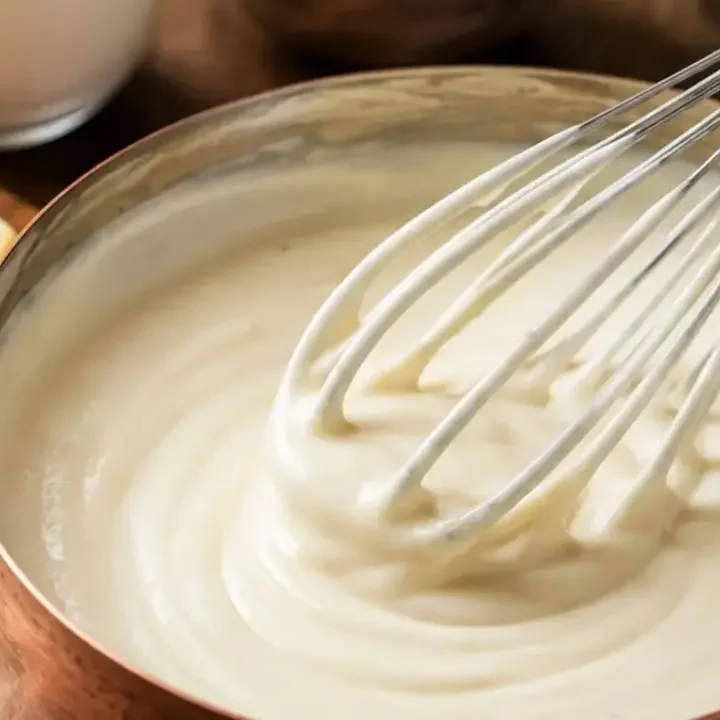
The history of béchamel sauce is tied to one of the best-known basic preparations in European cooking. Milk, butter and flour come together to create a smooth, velvety white sauce that has also found an important place in many traditional Italian recipes.
You’ll find it between layers of lasagne, in cannelloni, baked pasta dishes and all kinds of gratins. Yet behind this seemingly simple combination of ingredients lies a history whose origins have been interpreted differently in Italy and France.
The History of Béchamel Sauce: Origins Between Italy and France
Pinning down exactly where béchamel was first created isn’t easy.
One theory takes us to Tuscany, where a preparation known as salsa colla was used in local cooking. Some Italian culinary accounts identify it as a possible predecessor of modern béchamel, although this connection cannot be considered historically certain.
The French tradition tells a different story. The name béchamel is associated with Louis de Béchameil, a 17th-century marquis connected with the court of King Louis XIV.
That doesn’t necessarily mean Béchameil personally invented the sauce. His name became associated with it, while similar sauces were already part of European cooking at the time. As with many recipes that have been around for centuries, identifying a single inventor or an exact moment of creation is difficult.
What we do know is that béchamel became firmly established in French cuisine and also found a lasting place in Italian cooking, becoming part of dishes that are now considered classics of Italian culinary tradition.
Its Place in Lasagne alla Bolognese
In Italy, one of béchamel’s most important roles is undoubtedly in Lasagne alla Bolognese.
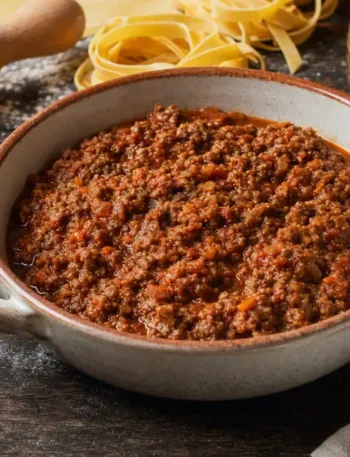
In the traditional preparation, béchamel is spread between layers of green egg pasta, Bolognese ragù and Parmigiano Reggiano. It doesn’t simply make the dish creamier: it helps bring the different components together and keeps the layers soft during baking.
This is where a sauce made from just a handful of ingredients can have a major impact on the finished dish.
The béchamel needs to be fluid enough to spread easily, yet creamy enough to stay between the pasta layers. If it’s too thick or too runny, the balance of the lasagne changes.
Beyond Lasagne
Its role in Italian cooking goes well beyond lasagne.
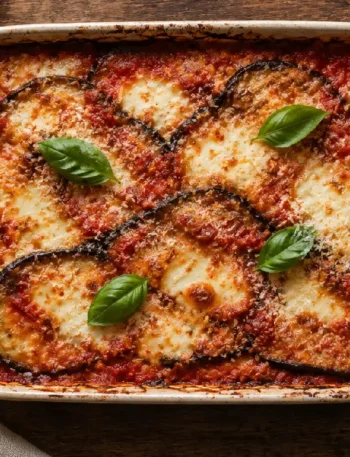
Béchamel is used in cannelloni, crespelle and many baked pasta dishes, where it helps bring the other ingredients together while keeping everything creamy during baking.
It’s also particularly useful with vegetables. Fennel, cauliflower, broccoli, leeks and potatoes can be covered with béchamel, topped with grated cheese and baked until golden on top. It’s also a practical way to turn cooked vegetables left in the fridge into a more substantial side dish or meal.
You’ll also find béchamel in baked vegetable dishes and gratins, or anywhere a creamy element is needed to bring ingredients with different textures together.
The basic method remains remarkably simple. Traditionally, butter and flour are cooked together to make a roux, then milk is gradually added. As the mixture cooks, these few ingredients turn into a smooth sauce whose consistency can be adjusted depending on how it will be used.
A Basic Sauce That Still Has Its Place Today
Ready-made béchamel is easy to find today, but making it from scratch takes little time and allows you to adjust the consistency depending on the recipe.
Flour, butter and milk are all you need for the basic sauce. The important part is the technique: the milk needs to be incorporated without creating lumps, and the sauce should cook until it becomes smooth and even.
Once you know the basic method, the same sauce can be adapted to many different recipes.
From its debated origins between Italy and France to the trays of lasagne still served on Italian tables today, béchamel sauce has travelled through different cuisines and culinary traditions. With just a few ingredients, it continues to do what it does best: add creaminess and bring the different elements of a dish together.
Make Béchamel Sauce at Home
If you’d like to make it from scratch, you’ll find quantities, timings and all the steps you need for a smooth, creamy, lump-free béchamel.