 andrea
Discover the differences between Italian 00, 0, type 1, type 2, whole wheat, Manitoba and semolina flours, and learn how to find suitable substitutes abroad.
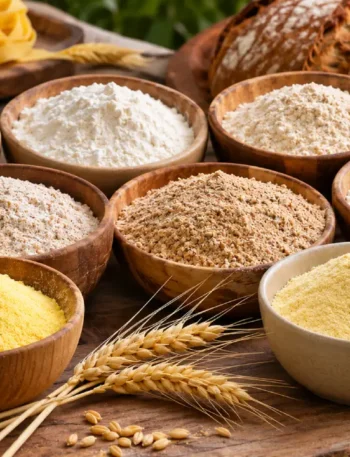

Your Gateway to Italian Recipes
Your Gateway to Italian Recipes
Discover the differences between Italian 00, 0, type 1, type 2, whole wheat, Manitoba and semolina flours, and learn how to find suitable substitutes abroad.
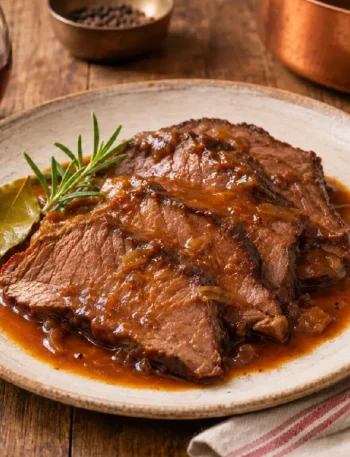
Discover the best beef cuts for braising, from chuck roast and feather blade to beef cheeks, and learn how to choose the right cut for Italian brasato.
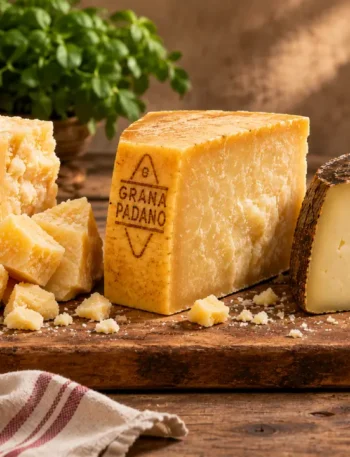
What’s the difference between Parmigiano Reggiano, Grana Padano and Pecorino? Explore their flavors, aging, production methods and uses in Italian cooking.
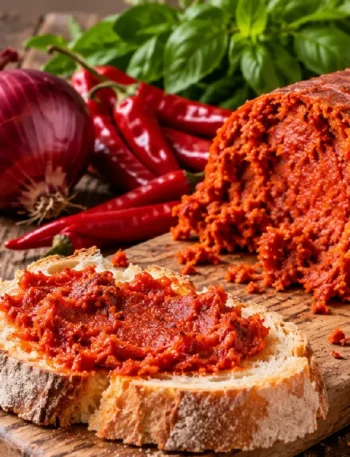
Discover what Calabrian ’nduja is, how it’s made, its connection to Spilinga and how to use it in pasta sauces, pizza, bruschetta and more.
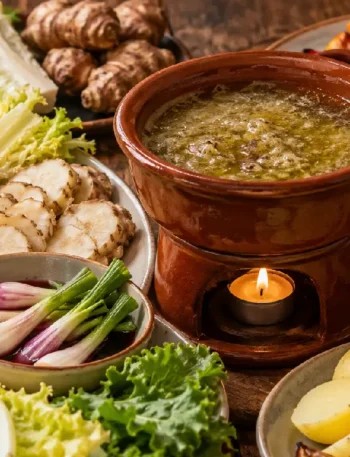
Discover the best vegetables for Bagna càuda, from cardoons and Jerusalem artichokes to roasted peppers, and how to prepare them the Piedmontese way.
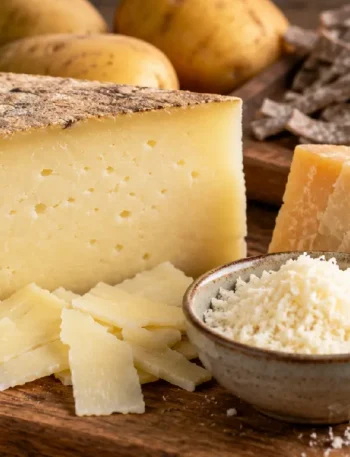
Which cheese is best for pizzoccheri? Discover why Valtellina Casera PDO is used, how it differs from Bitto and which alternatives work well.
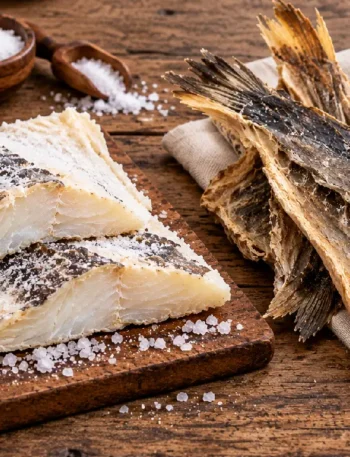
Salt cod and stockfish both come from cod, but they’re preserved differently. Discover how they’re made, how to prepare them and why Venetians call stockfish baccalà.
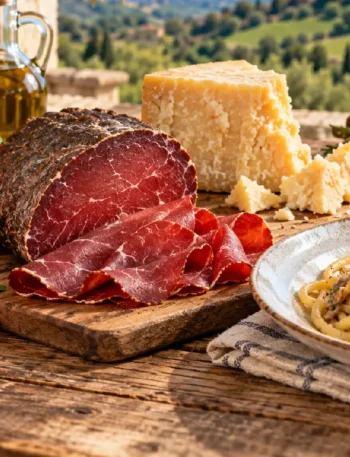
What do PAT, PDO and PGI mean in Italian food? Discover the differences between these designations, how they work and how to identify Italian products.
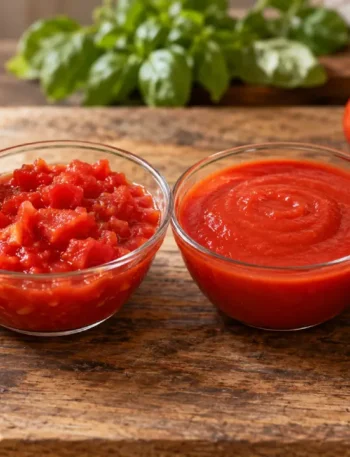
Passata, tomato paste, crushed and peeled tomatoes are not the same. Learn what each one is, when to use it and how the names change in English.
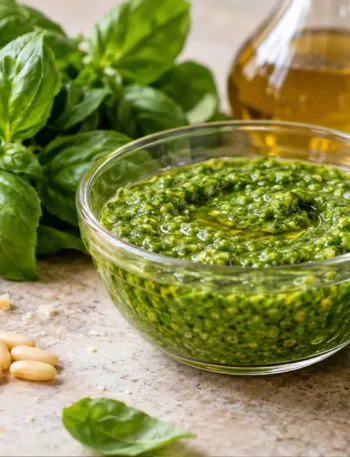
Why does pesto turn brown? Find out what makes basil darken and how to keep pesto green while making, storing and serving it.